
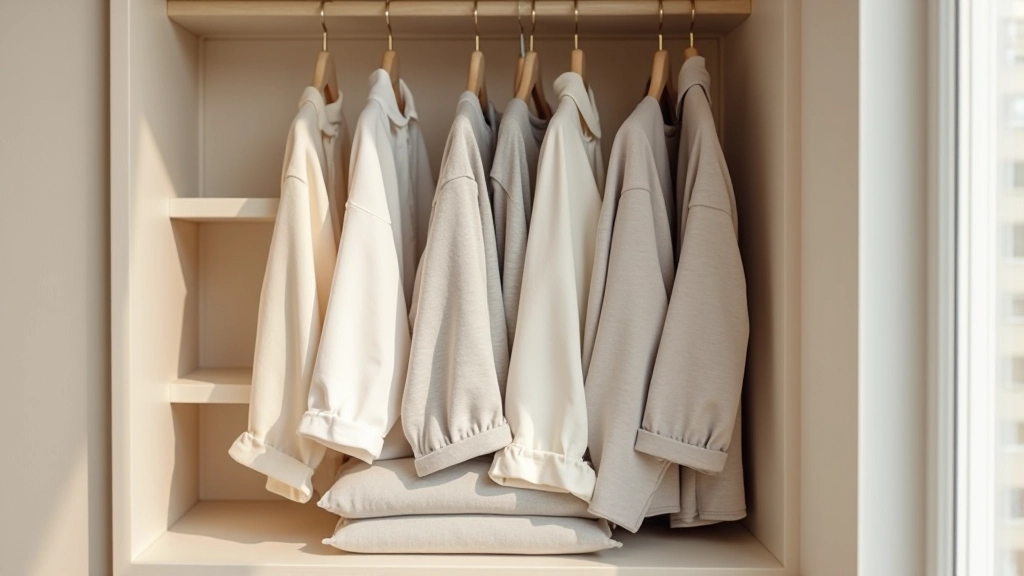
Building Weekly Outfits from Limited Pieces
Practical strategies for mixing and matching basics to create five to seven complete outfits that work throughout the week.

Why Limited Pieces Work Better
The secret isn't having more clothes — it's having the right ones. When you're working with a focused set of pieces, you're forced to think strategically about how things combine. Each item needs to earn its place by working with at least three other pieces in your collection.
Turkey's climate makes this easier than you'd think. Summer demands breathable fabrics like linen and cotton. Winter's mild enough that you don't need heavy coats — layering becomes your strategy. Spring and autumn are your transitional seasons where pieces overlap beautifully.
We're talking about creating five to seven complete outfits from maybe 12-15 core pieces. That's not minimalist extremism. It's practical. It means you're not standing in front of your closet paralyzed by options every morning.
Your Core Foundation
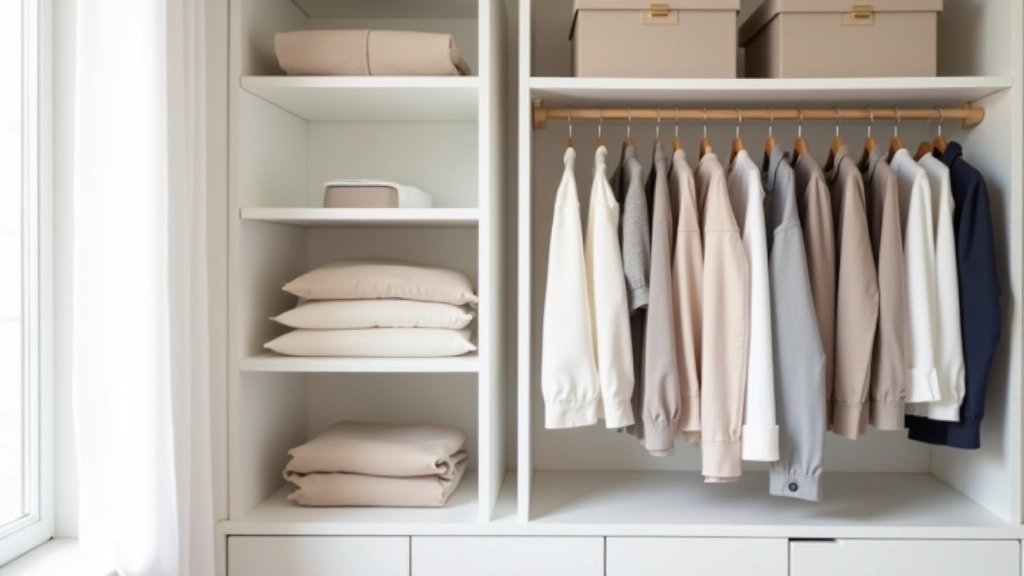
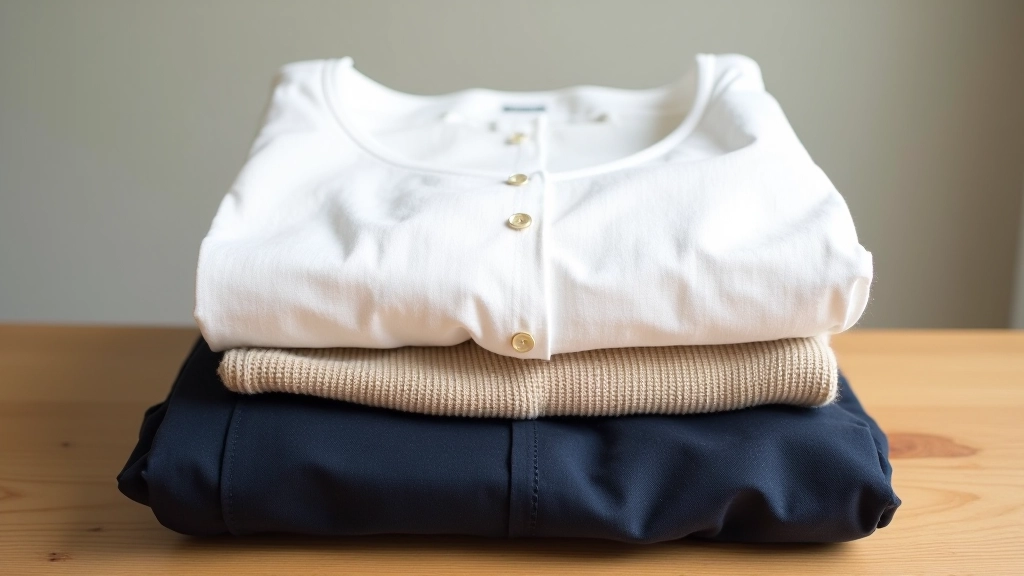
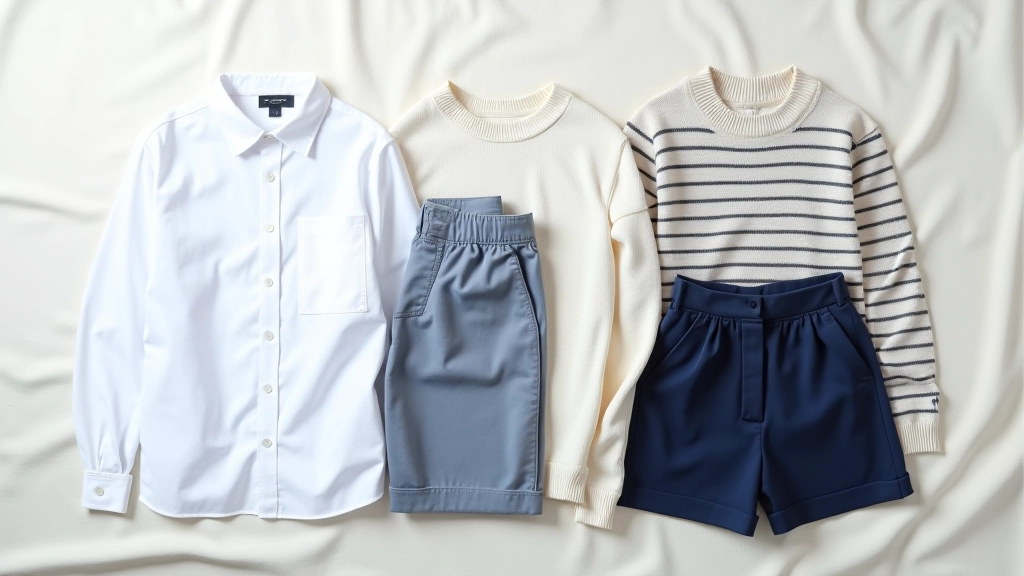
Start with three anchor pieces. These are your non-negotiables — the items that appear in multiple outfits and tie everything together. For Turkey's climate, we're looking at a white linen shirt, navy trousers, and a neutral knit sweater. Not exciting, but these three pieces are the backbone.
1
White linen shirt — Breathable for summer, elegant enough for evening, casual enough for daytime.
2
Navy trousers — Work with white, beige, cream, and earth tones. Versatile without being boring.
3
Neutral knit sweater — Essential for spring and autumn layering. Choose camel or cream.
Bottoms and Tops Strategy
Don't make the mistake of buying all your bottoms in one style. You need variety that actually works. Add a pair of linen shorts for summer — the neutral navy pair you already have works great, but add cream or natural linen too. A lightweight cotton dress becomes your workhorse for warm days. It pairs with your sweater when temperatures drop.
For tops, think in terms of layers and weight. Your white shirt handles formal and casual. Add a simple cotton t-shirt in cream or white. A striped long-sleeve works for spring. Here's where texture matters more than color variety. You're mixing linen, cotton, and lightweight knit — not chasing ten different colors.
The real magic happens when you have pieces that work across seasons. That cream linen shirt? It's summer-appropriate with shorts. Throw your sweater over it in April and it becomes spring. The navy trousers layer under everything. You're not buying a separate wardrobe for each season — you're buying transition pieces.
Your Five Outfit Framework
Here's how it actually works in practice. You're combining pieces strategically to create distinct looks that don't feel repetitive. Same foundation pieces, completely different feel.
Outfit 1: Business Casual
Monday / Wednesday
White linen shirt + navy trousers + neutral sweater (draped over shoulders). Add minimal jewelry. You look put-together without effort. This is your professional default.
Outfit 2: Casual Summer
Tuesday / Thursday
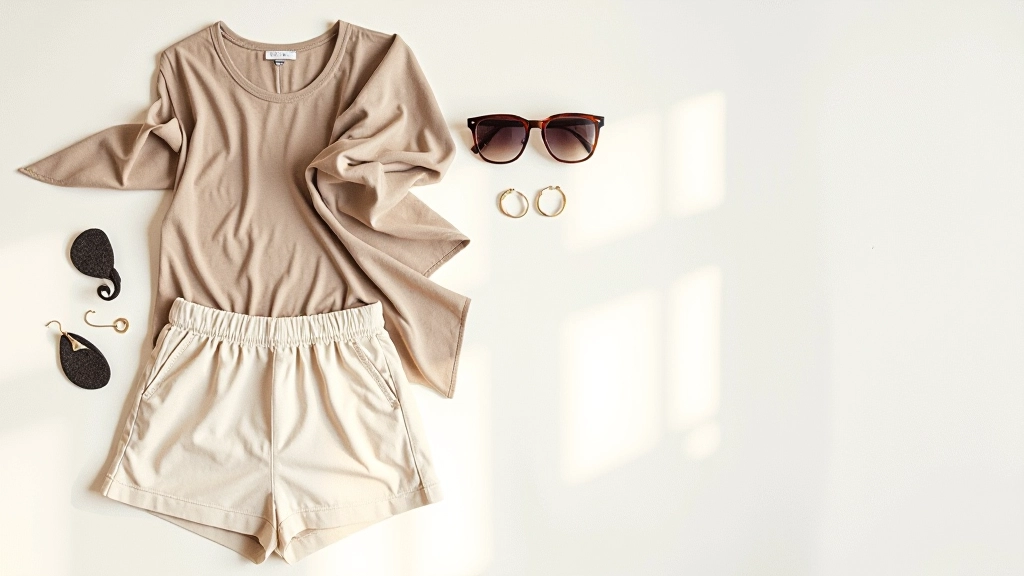
Cream linen shorts + white t-shirt + lightweight sweater tied at waist. Completely different vibe from Monday but using overlapping pieces. Comfortable enough for running errands, intentional enough for meeting friends.
Outfit 3: Elevated Casual
Friday
Cream linen dress + navy trousers (layered underneath) + white shirt (open over the dress). Striped belt. This layering trick creates visual interest from pieces you already have.
Outfit 4: Transitional
Weekend Morning
Striped long-sleeve top + navy shorts + neutral sweater (cardigan style). Works for spring shopping, weekend coffee, casual meetups. The sweater lifts it slightly above pure casual.
Outfit 5: Evening
Weekend Evening
Cream dress + navy trousers + white shirt (tucked, buttons open) + sweater (draped). Add a belt. Layer your way to something that feels special using basics you've worn all week in different contexts.
Personalization Matters
This framework is a starting point, not a rigid rule. Your actual pieces, body type, lifestyle, and personal style will shape your specific capsule. The numbers change — you might use 8 core pieces or 18. The principle stays the same: intentional selection over volume.


The Real Benefit: Decision Fatigue Disappears
You're not actually saving time — well, you are, but that's not the main point. What you're doing is removing decision paralysis. Every morning, you can reach into your closet and know that whatever you grab will work with at least three other pieces. That shirt you love pairs with those shorts, those trousers, and that dress. Your sweater works over everything.
That's freedom. Not the freedom of unlimited choice — that's actually paralyzing. The freedom of intentional limitation. You've made the hard decisions once, when you were thoughtful about it. Now you just get dressed.
Start with five outfits. Once you've lived with them for two weeks, you'll see what actually works for your lifestyle. Maybe you need an extra sweater. Maybe that fabric doesn't work for your climate. Maybe you want more color. Adjust from there. The framework stays the same. The pieces evolve based on real life, not on shopping impulse.