

Why Seasonal Editing Matters
Turkey's weather shifts dramatically between seasons. You've got scorching summers that demand breathable fabrics, then winters that creep up with surprising chill. That's where seasonal editing becomes your best friend. It's not about throwing away your capsule — it's about rotating what you actually wear.
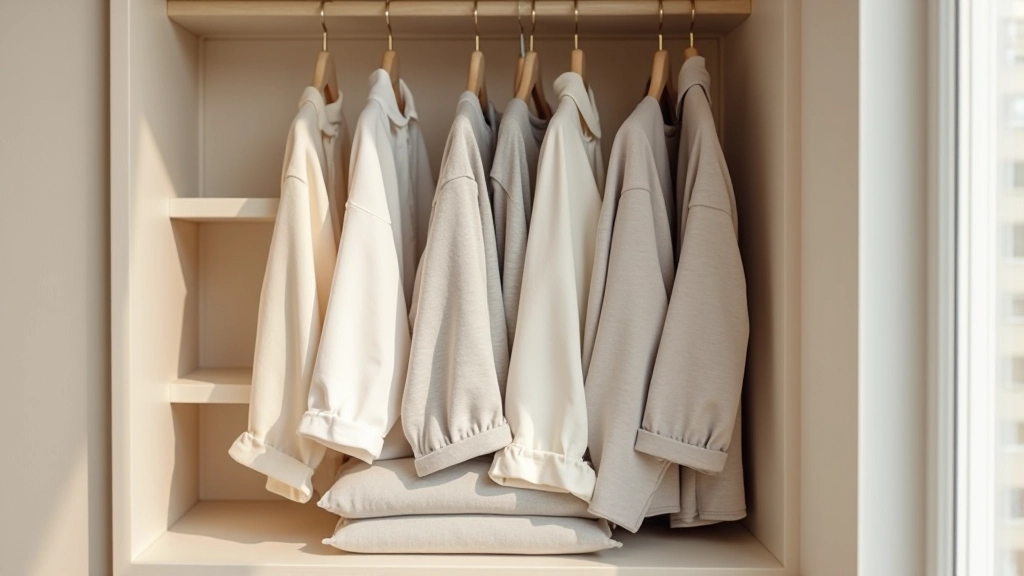
When you keep the same pieces visible year-round, you're wasting valuable closet space and creating decision fatigue. Plus, your winter coats don't need to sit front-and-center in July. The smart move? Store seasonal pieces away, rotate in what works now, and keep your daily choices simple. You'll rediscover pieces you'd forgotten about and feel like you've got a whole new wardrobe without buying anything.
The Three-Season System
Turkey essentially has three real seasons: hot summer (May-September), mild winter (November-March), and brief transition months (April and October). Work with this reality, not against it.
Summer Collection (May-September)
- Lightweight cotton and linen pieces
- Sleeveless shells and t-shirts
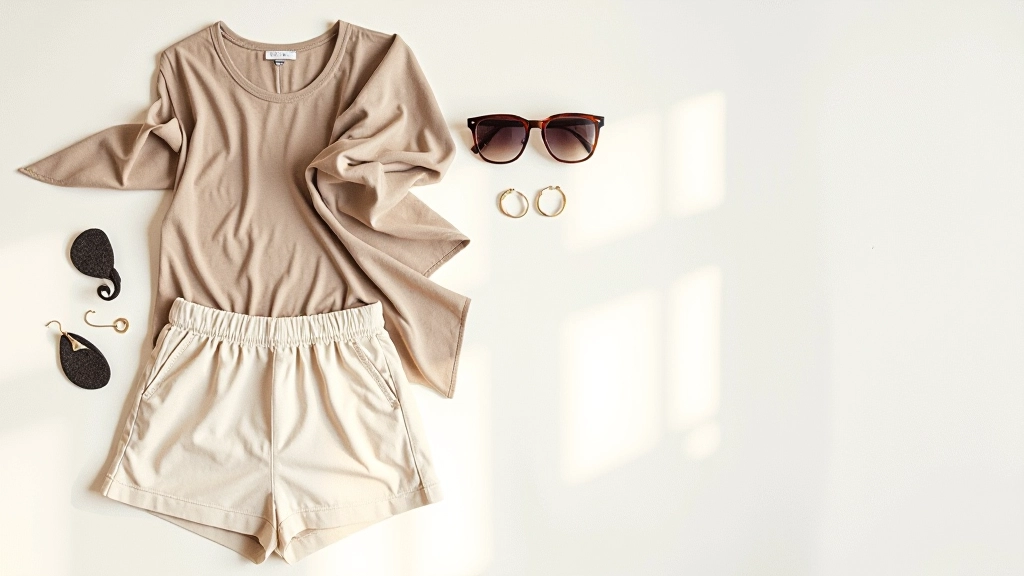
- Linen trousers and shorts
- Sun-protective layers (lightweight cardigans)

Note: This article is informational and educational. It's designed to help you think strategically about your wardrobe. Individual climate conditions vary, so adapt these suggestions to your specific location within Turkey.

Winter Essentials (November-March)
Winter in Turkey doesn't mean heavy parkas for most regions. You're looking at layering pieces instead. Sweaters, lightweight blazers, cardigans, and one solid coat handle most situations. The key? Choose pieces that transition back to spring.
Winter Wardrobe Core
- Merino wool sweaters (breathable and temperature-regulating)
- Structured blazer for layering
- Single winter coat (neutral color, versatile cut)
- Warmer trousers and jeans